Jump to topic
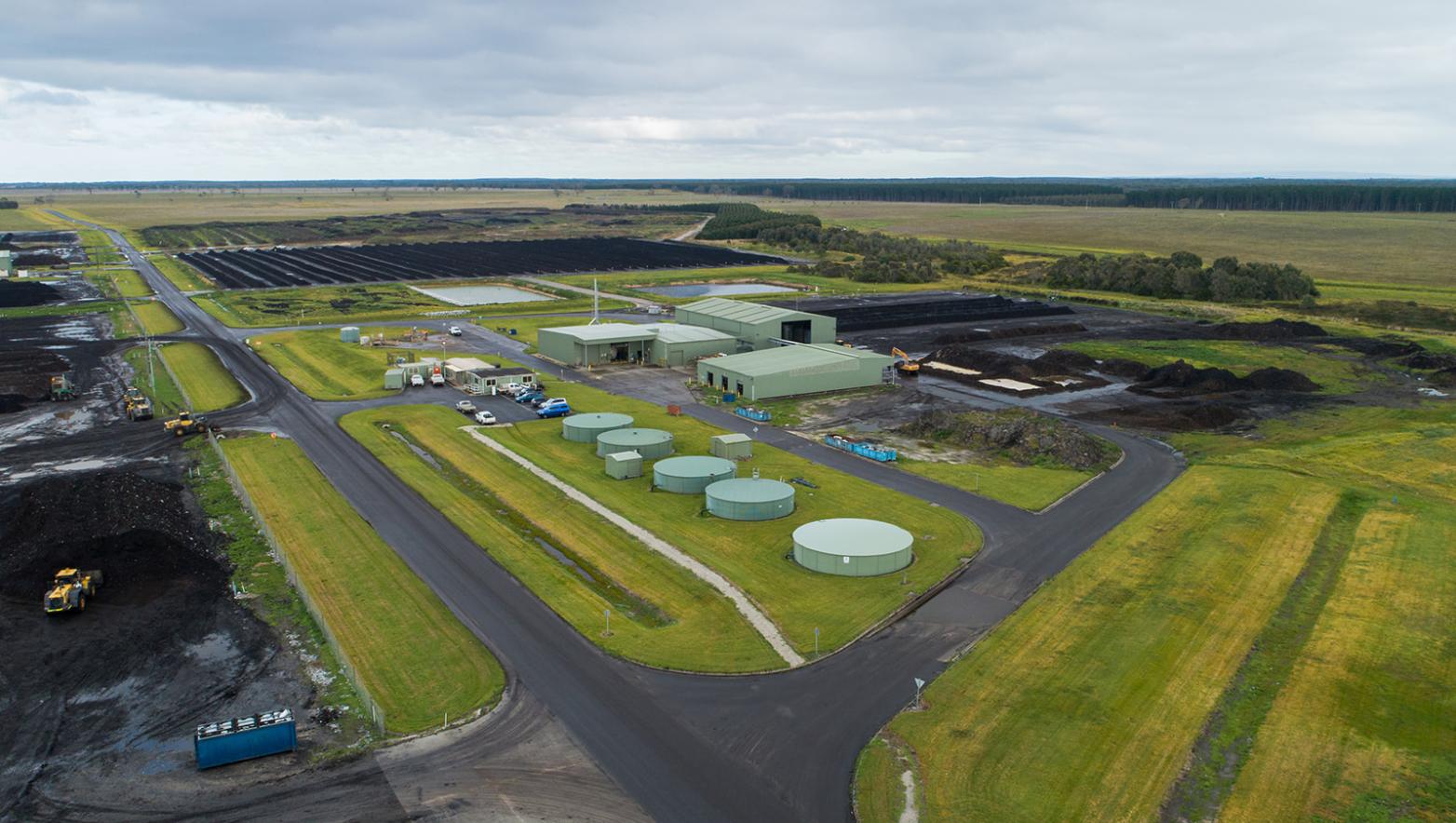
The Dutson Downs site was established as a waste management site by the Victorian Government in 1957 and has supported major industry for Victoria ever since.
Its remote location has allowed for waste materials to be managed safely and responsibly in situ.
Management of the site has evolved consistent with the state of knowledge at that time, informed by industry accepted practice and environmental legislation.
We actively manage and regularly monitor for legacy environmental impacts in line with current standards and requirements.
How practices have changed
The site has always been managed in line with the standards of the day.
As environmental laws and industry standards have evolved, so too has our waste and environmental management.
In the 1950s and 60s, waste management focused on disposal rather than recovery or treatment.
Nowadays the site is a prime example of resource recovery, re-use and the circular economy. It continues to operate under strict environmental regulations and uses modern resource recovery practices to minimise impacts.
Why legacy environmental impacts exists
Over many decades, the site has accepted waste from major industries across Victoria.
Some of the waste accepted contained substances including man-made chemicals such as pharmaceuticals, microplastics, pesticides and PFAS.
PFAS is a chemical widely used in industrial processes and firefighting foams.
While we don’t produce or use PFAS, these chemicals have arrived at the site via trade waste and surface water runoff from neighbouring industrial sites.
What we’re doing now
We take our environmental stewardship role seriously.
Our management of the site is best practice and informed by independent audits, expert advice and close regulatory oversight.
- We’re carrying out detailed investigations and regularly monitoring soil and water quality.
- We’re working closely with regulators and experts to manage risks.
- We’re investing in new research and technology to improve how legacy environmental impacts are managed.
- Running conservation programs to protect biodiversity and important ecological areas.
Our approach follows the principles of the Environment Protection Act 2017.
We support the Water Services Association of Australia’s position that preventing harm is better than remediation.
We continue to advocate for support for water corporations and our customers managing the burden and associated costs of environmental remediation.
Why this matters
Managing legacy environmental impacts helps protect water resources, the broader environment and public health, while supporting industries that underpin jobs and energy supply for Victoria and beyond.
Frequently asked questions
Legacy environmental impacts arise from substances and materials remaining from historical activities undertaken onsite. They can remain in the environment for decades.
The site has received waste from major industries since the 1950s. These practices reflected and complied with the standards of the time. Some chemicals, like PFAS, were widely used in industrial processes and firefighting foams. We don’t produce or use contaminants.
We monitor soil and water quality, work with regulators and experts, and invest in research and technology to manage risks. We also maintain conservation programs to protect biodiversity.
Treatment options are still being developed and some substances are still being understood. We also need to balance managing and remediating while continuing essential operations. Remediation requires significant financial investment.
We operate under strict environmental regulations and report to the Environment Protection Authority (EPA) Victoria and other relevant authorities.