
Jump to topic
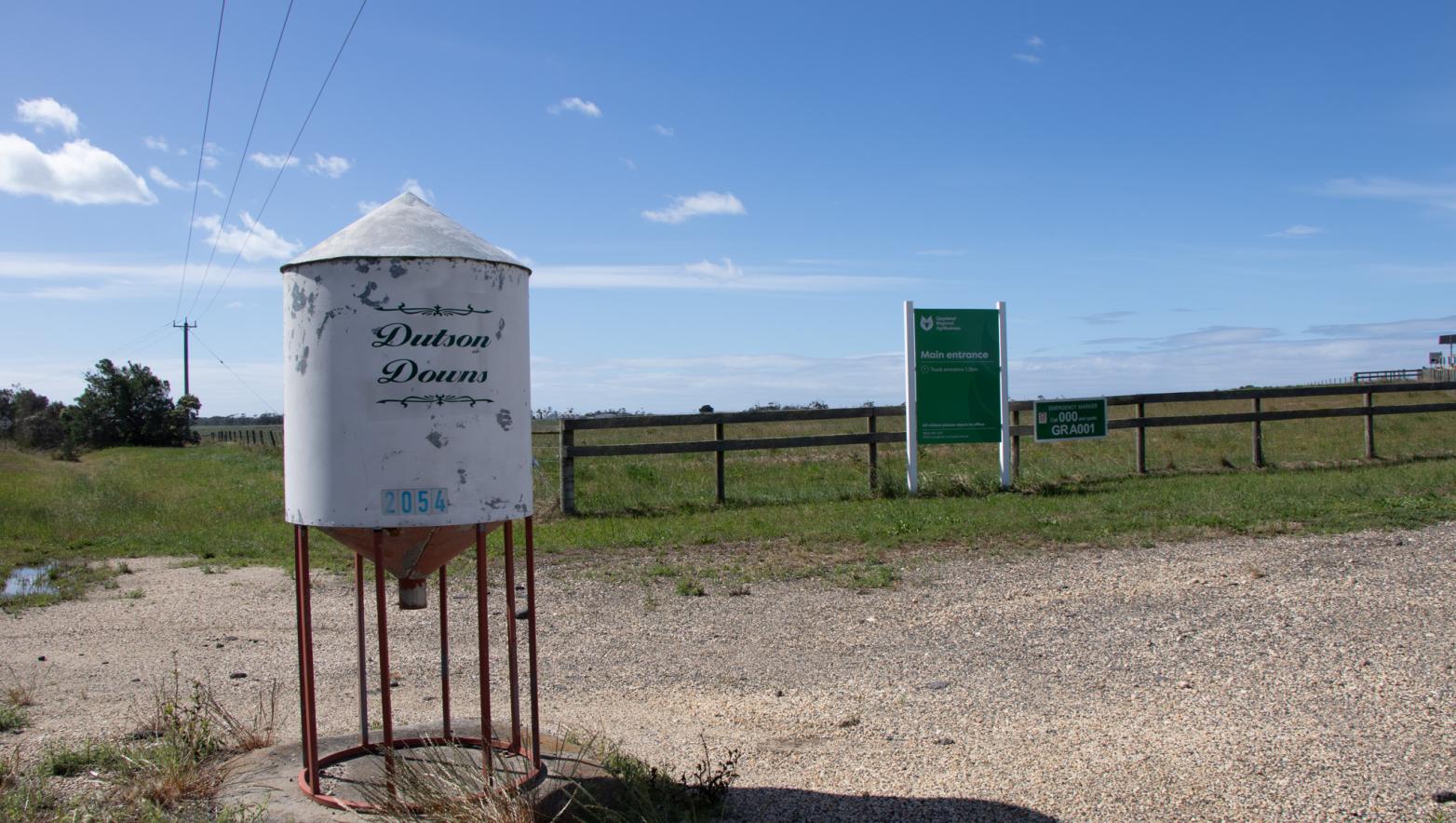
History of Dutson Downs
Dutson Downs is an area of land in the southeast of the Gippsland Lakes, between Sale and Golden Beach. It has a rich and varied history.
The property and the surrounding area hosts wetlands, grasslands, heathy woodlands and native wildlife.
The land is home to three Gunaikurnai Clans; Tatungalung, Brayakaulung and Brataualung. Archeological evidence from studies carried out by our organisation supports the presence of Aboriginal peoples in the area for at least 30,000 years.
In the 1840s, the area was established as a pastoral run, from 1940 and during and after World War II, it operated as a military training ground.
In the 1950s, the Latrobe Valley Water and Sewerage Board established the Dutson Downs Treatment Facility to manage domestic and industrial wastewater from the Latrobe Valley.
In 1957 the Regional Outfall System (ROS) was commissioned to transport wastewater from the Morwell gas-making plant and the Australian Paper Mill at Maryvale to Dutson Downs.
The ROS remains one of our critical assets, conveying around 35ML of treated wastewater daily from the Gippsland Water Factory.
Dutson Downs today
Today, Dutson Downs is home to our commercial businesses - Gippsland Regional Organics and Gippsland Regional Agribusiness - as well as more than 4,000 hectares of protected native plants and animals
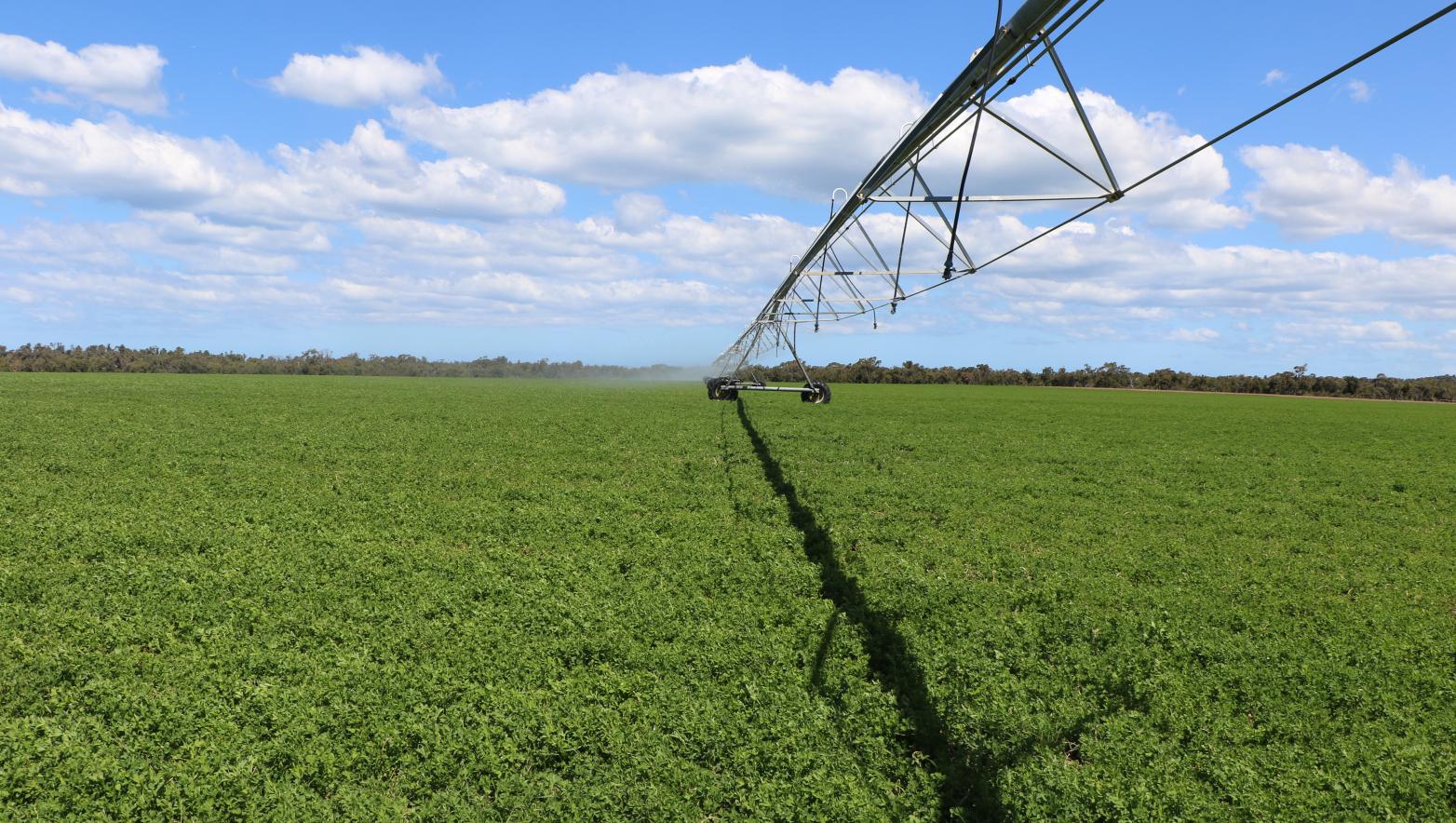
Gippsland Regional Agribusiness
We breed cattle, grow crops, and manage softwood plantations using sustainable practices. Treated wastewater from our domestic treatment systems is reused for irrigation, helping to support farming on dryland areas.
Gippsland Regional Organics
We operate the largest EPA-licensed waste treatment and composting facility in Victoria. Located on 350 hectares of the Dutson Downs site, the facility is capable of recycling up to 250,000 tonnes of waste each year and can produce around 70,000 tonnes of compost certified to Australian standards. This reduces waste going to landfill and supports sustainable farming.
We accept a mix of non-reportable and reportable priority wastes. We also treat a broad range of organic waste.
We actively monitor groundwater, surface water, air quality and performance of environmental controls through an extensive monitoring and audit program. This ensures our facilities perform to a high environmental standard and comply with EPA requirements and our own environmental management objectives.
You can read more about the wastes we treat and compost here: Waste treatment | Gippsland Water

Conservation
We manage thousands of hectares of native vegetation, wetlands, and wildlife habitats.
As part of our conservation work, we’ve established two permanent environmental plantings that generate offsets under the Australian Carbon Credit Unit (ACCU) scheme.
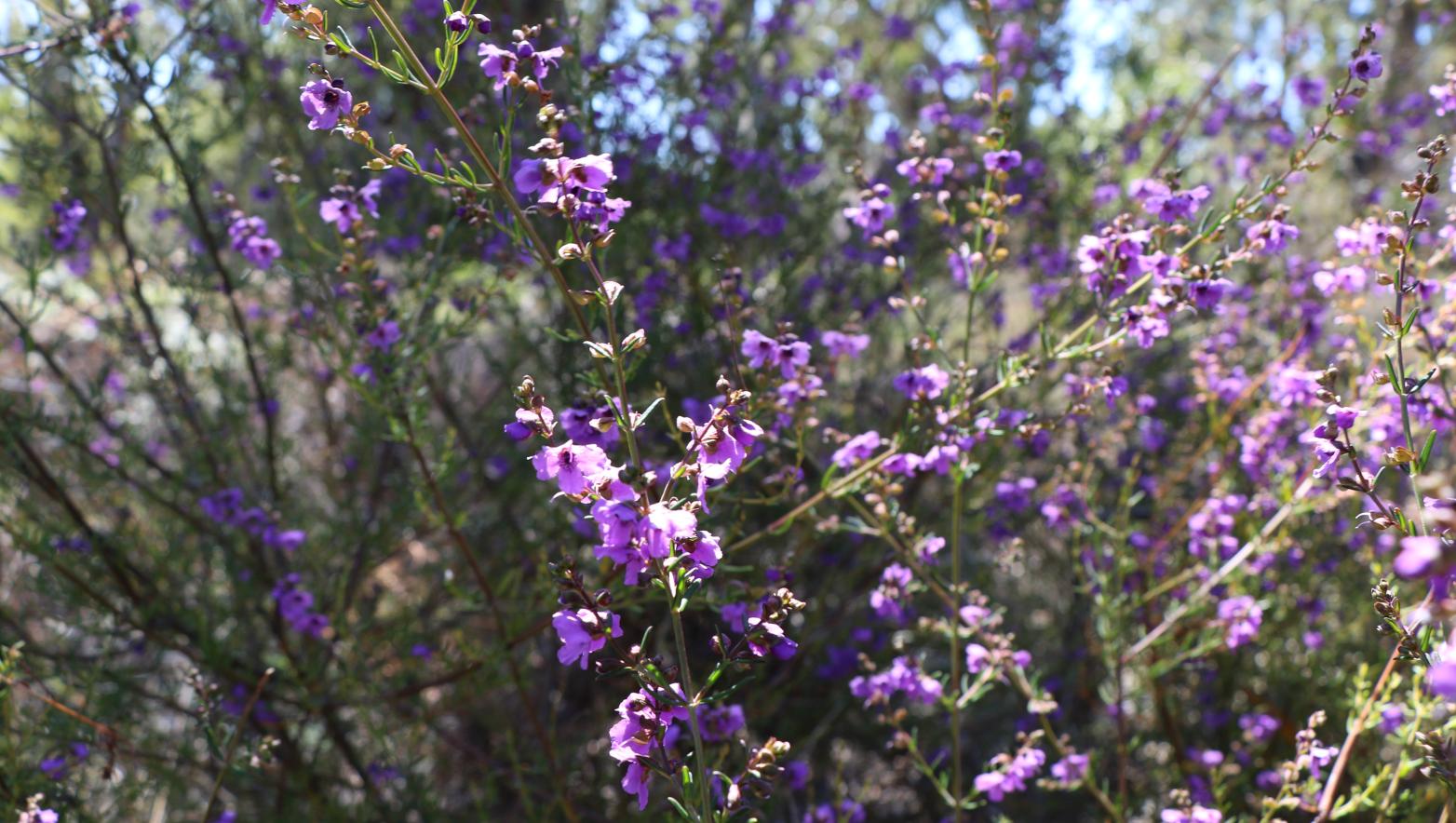
The plantings, established in 2019, have restored around 160 hectares of native vegetation including swamp scrub, damp heathy woodland and damp sands herb-rich woodland.
Situated on former farmland and integrated with our agricultural operations, the plantings strengthen the site’s ecological diversity and resilience, while supporting our emissions reduction commitments.
We also run conservation programs in perpetuity to protect biodiversity and maintain ecological values of state and national significance. This includes protecting populations of endangered flora and fauna.
Why the Dutson Downs site matters
Supports essential waste management services for the state of Victoria.
Maintains long-term conservation and carbon offset programs to protect biodiversity and ecological values of significant importance to the region and nationally.
Timeline of Dutson Downs and surrounding area
- 1840s - Dutson pastoral run established.
- 1940s - Site used as Dutson Air Weapons Range for military training.
- 1957 - Dutson Downs officially established by the Victorian Government to manage wastewater for major industries.
- 1960s- onwards - Site supports major industries including power generation, gas supply, and industrial waste disposal.
- 1990s - Transition of management to Gippsland Water focus shifts to managing resource recovery and environmental compliance.
- 2000 - Military aircraft operations cease; Army use continues until 2010.
- 2000s - Modernisation of operations to comply with modern day regulations and introduction of conservation programs.
- Today - Dutson Downs operates as an integrated organics waste and resource management facility, with agribusiness and biodiversity programs.
Frequently asked questions
It was set up in the 1950s to manage wastewater and support critical infrastructure for Victoria, including power generation and gas supply.
The site has had multiple purposes, first established as a pastoral run, then a military training ground, and later a wastewater treatment facility. Today, the 8,500Ha site is a organics waste and resource management hub with agribusiness and significant nature conservation programs.
Dutson Downs is an integrated organics waste and resource management facility. Home to our commercial businesses - Gippsland Regional Organics and Gippsland Regional Agribusiness - as well as significant areas of native plants and wildlife. It supports sustainable farming and biodiversity protection.
We follow strict environmental regulations, monitor surface and groundwater, and regularly test soil quality. We also maintain long-term programs to protect biodiversity across the site.
Our operations are guided by EPA licences and regulatory requirements, which set the practices and environmental conditions we must meet. In addition, the EPA independently audit our activities to ensure we remain compliant and operate responsibly.