Jump to topic
What we're up to
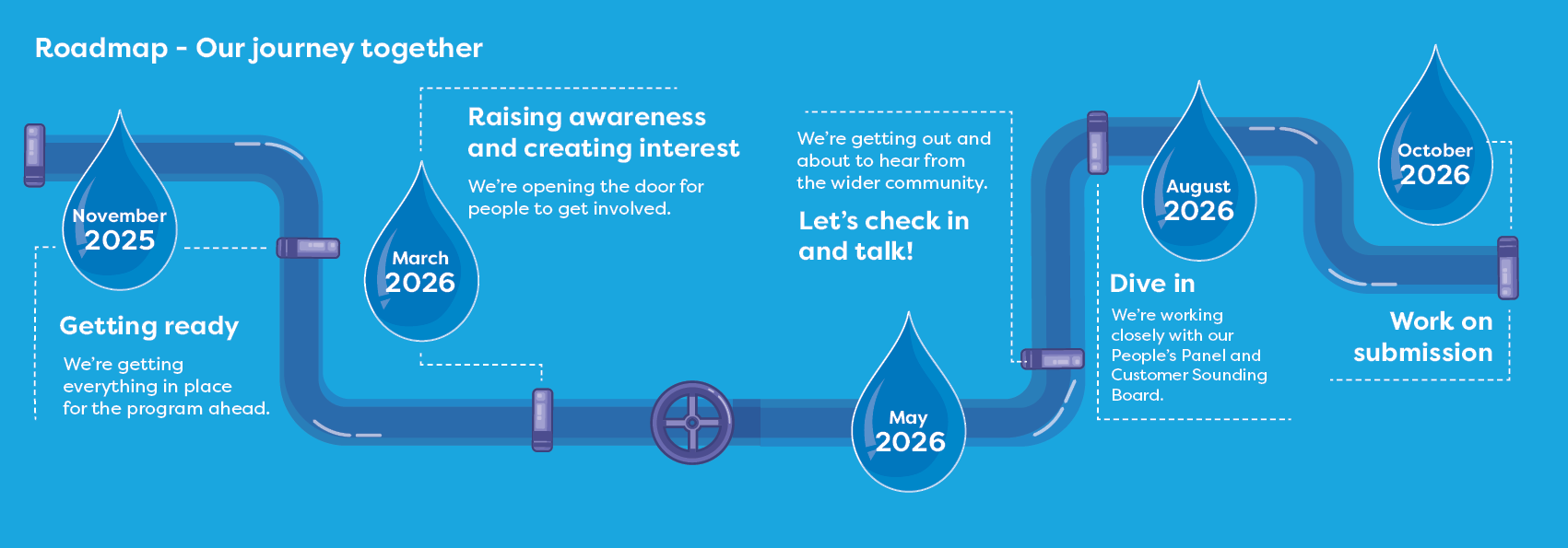
We're engaging with our community, stakeholders and Rights Holders to help shape our priorities and plans for the future, including our Price Submission 2028-33 and Urban Water Strategy. Follow our engagement journey so far. Right now, we're preparing for the 'Dive in' stage of our engagement.
Ongoing engagement
We're always working with our community on the issues that matter most.
We regularly ask for feedback through our twice-annual customer outcomes survey and annual customer satisfaction survey.
We also seek community input on important decisions throughout the year, engaging with surveys, focus groups, workshops and event pop-ups.
Whenever there’s an opportunity to have a say, we reach out to our Sounding Board – a group of community members who have said they want to be involved in decision making.
Throughout the year, we meet with our Customer Reference Group (CRG). This is a group of customers from all walks of life who help shape our engagement plans, consider what we hear from community and determine the actions we take. The CRG was established in Price Submission 2023, and given an ongoing role due to the great insights they provided. Recently we welcomed six new members to the CRG.
Getting ready - November 2025 to March 2026
In late 2025, we began working with people in our organisation and community to develop our plans for making decisions together.
We held workshops with staff across the organisation to understand the challenges, opportunities and costs that could affect:
- customer experience
- service delivery (now, and into the future)
- customer bills.
We worked closely with our Customer Reference Group, asking them to challenge our thinking and help shape the issues we would discuss with the wider community.
We held three co-design workshops with representative stakeholders of difficult to reach cohorts. The purpose of these workshops was to test potential engagement topics, hear what is most important to them and how best we can engage.
We spoke with advocacy agencies representing people facing vulnerability including financial, educational and family violence, as well as organisations working with people living with disabilities. We also spoke with a small cohort of young Gippslanders as decisions we make today would impact their futures as a member of the community and a customer even if they’re not yet paying the bills.
The findings of these workshops helped inform our Planning for the Future document and also targeted future engagement with these cohorts.
Our conversations shaped our strategic engagement plan, planning for the future.
Raising awareness and creating interest - March to May 2026
Next, we made sure our community, local organisations and Traditional Owners knew how they could get have a say and shape our future plans.
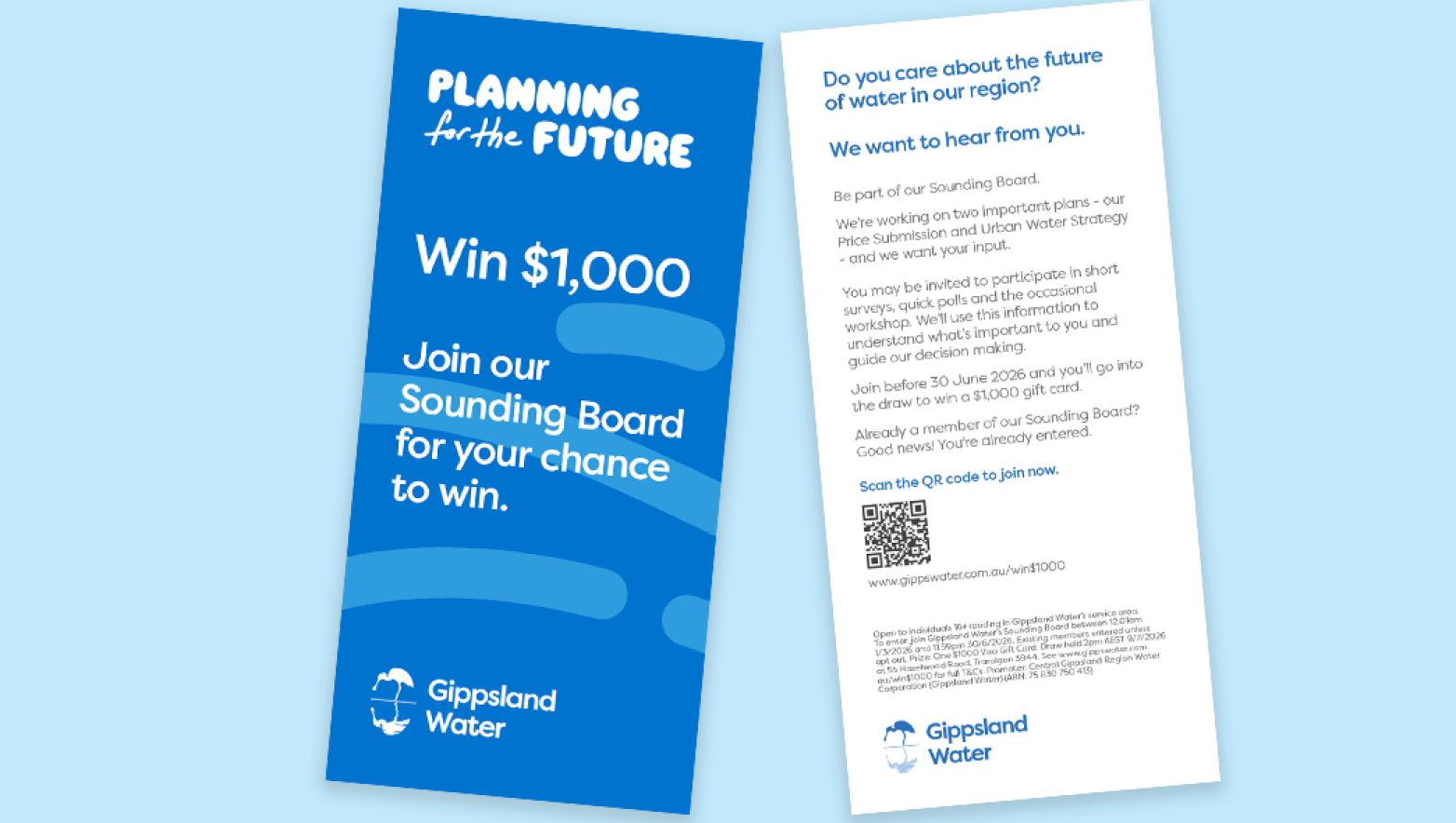
We encouraged people to join our Sounding Board, where they can hear about engagement opportunities. We included a flyer with customer bills, updated our website, shared information on social media and helped people sign up at community events.
The feedback helps us understand what's important to our customers. It influences the way we determine priorities, plan projects and deliver services.
In six months, Sounding Board membership grew by over 89%, with more than 800 community members now signed up.
Check-in and talk - May to August 2026
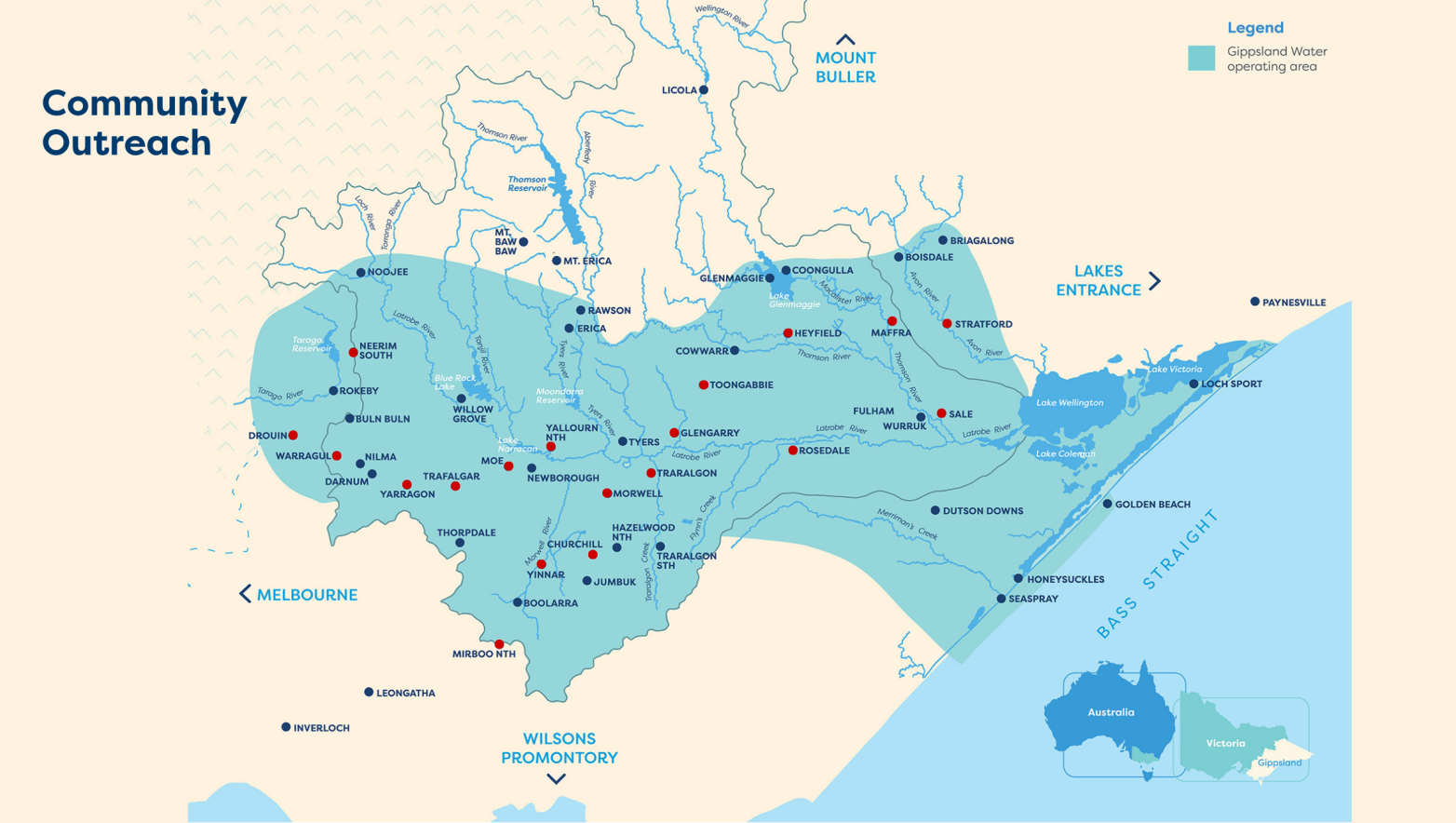
Community outreach
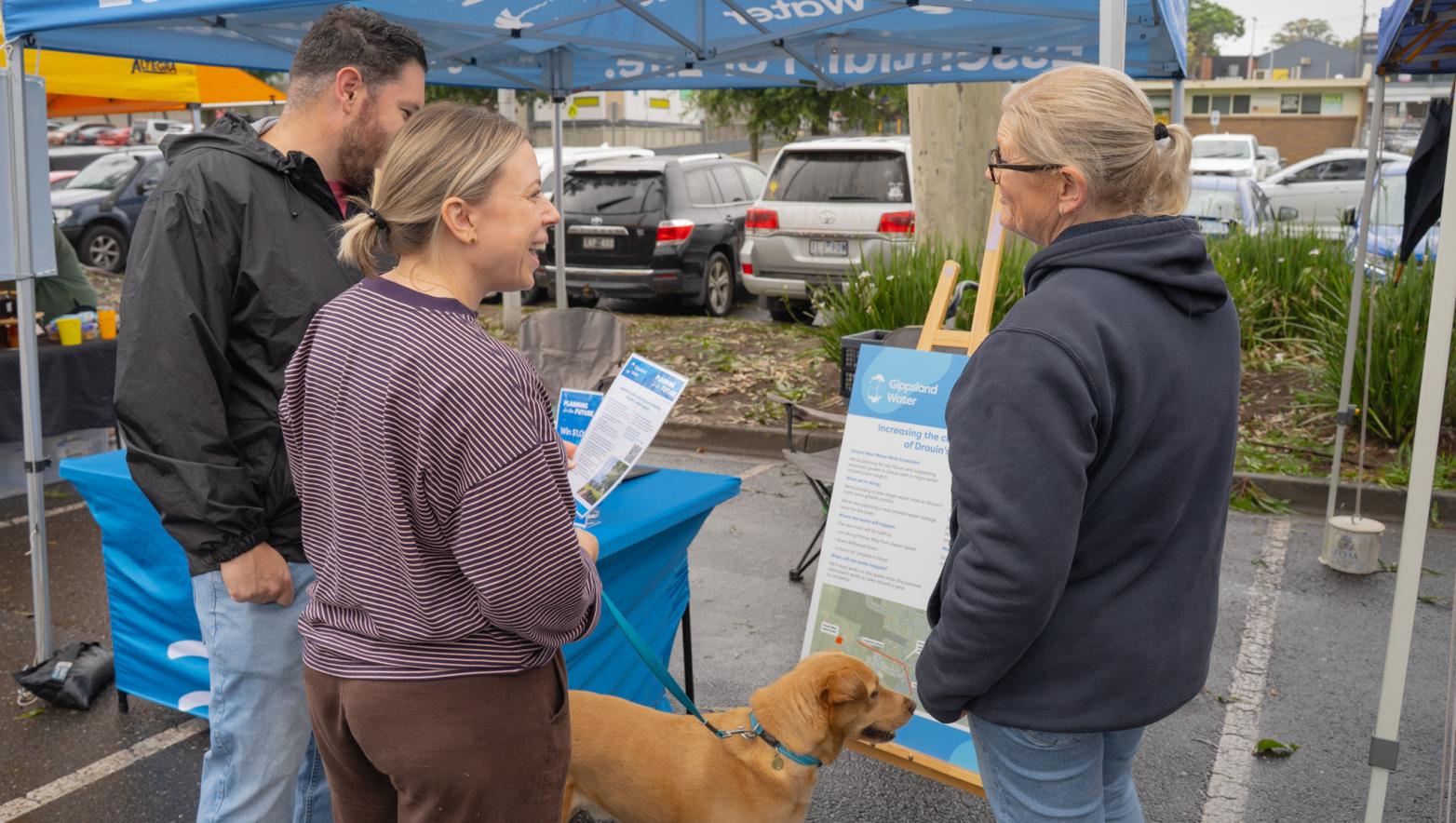
We talked to our customers and community members across our service area at community pop ups about what matters most to them about water and wastewater.
We also asked people to rank our customer outcomes in order of priority for them. Our six customer outcomes are:
- Do your job well - provide safe water at a reasonable price and restore interruptions quickly with good communication
- Be affordable and fair - keep prices as low as possible, support people who struggle to pay
- Be environmentally responsible - care for the environment and protect natural resources for the future
- Be easy to deal with - resolve issues quickly and keep customers informed
- Plan for the future - think and plan for population growth, invest in long term water security and climate change
- Be involved - educate and support the community, involve customers in decisions that affect them
What we heard is that our community continues to support our current customer outcomes and believes they’re all still important. ‘Do your job well’ is the highest ranked customer outcome, followed by ‘be affordable and fair’. ‘Be environmentally responsible’ has continued to grow in importance over recent years.
The results show that our customer outcomes continue to reflect what matters most to our community while being flexible and responsive to changing needs and priorities over time. Soon, we’ll explore this more deeply with customers, to find out what success looks like when we get it right.
Community groups outreach
We’ve engaged with local neighbourhood houses and community groups who work closely with people who are experiencing vulnerability.
Getting bill support for people was the main priority of these organisations and the number one thing they expect from us. Help should be easily accessible for all and available in a variety of ways – online, phone and in person, particularly in community spaces.
All agencies reported growing numbers of people struggling with the rising cost of living and needing extra support. They all expect this to increase.
Apart from bill help and support, all these agencies mentioned a desire for sponsorship opportunities. They all rely on funding to deliver their business. Even though our sponsorships may be small, they can contribute to setting up or continuing programs – like free showers and laundry services.
Stakeholder outreach
We’ve been speaking with stakeholders to inform our future plans and explore opportunities to work together.
Our stakeholders represent a diverse range of people, organisations and agencies throughout Gippsland and the wider water sector.
So far we’ve spoken with councils, regulators, industry partners and advocacy agencies to share the work that’s underway, testing our proposed customer engagement and future opportunities for collaboration.
Rights Holders outreach
The Rights Holders of the Gippsland Water service area are the Gunaikurnai people and the Bunurong people.
We’ve begun conversations with Gunaikurnai Land and Waters Aboriginal Corporation (GLaWAC) and Bunurong Land Council Aboriginal Corporation (BLCAC) to support self-determination and explore how we can continue working together.
This engagement will be ongoing throughout the entire journey. Conversations are focused on what we’ve delivered, the status of commitments made in our current Price Submission and Urban Water Strategy and how we could build upon those into the future.
Dive in - August to October 2026
Online Workshops
We hosted two online workshops with members of our Sounding Board.
Customer Outcomes workshop
We explored what matters most to our customers.
We shared what we'd already heard from customers about their priorities. We invited participants to share their input on what success looks like when we get it right.
Community value and partnerships session
Have a say on how we support our community.
We walked through how we currently invest in our community, including commitments, costs and progress. Then invited ideas on how we can make the most impact.
We'll share what we heard from both workshops soon.
People's Panel
The People's Panel has brought together around 50 people from our community. The panel members come from a range of backgrounds and are representative of our community.
They are taking part in a series of five sessions between September and November 2026.
The People’s Panel provides a unique chance to dive deeply into the challenges and opportunities we face, have a meaningful say in shaping our plans for the future and ensure our priorities and investments reflect what matters most to our community.
The panel is considering this important question:
How can we balance the services our community needs, now and into the future, while keeping bills fair?
As we face rising costs, ageing infrastructure, a changing climate, and changes to local industries, we need to work through the trade-offs that shape an affordable bill and reliable services.
In addition to this question, the panel is focusing on two main dilemmas:
Meter replacement – how quickly should we implement our digital meter program?
There is a sector-wide shift toward digital meters. The digital intelligence they provide can help us get the best results for customers, our system and the environment. Our mechanical meters will need replacement soon.
We’re asking the panel to consider how quickly we should implement our digital meter program, so we can balance service delivery and keeping bills fair.
Service reliability – how much more should we invest to meet our targets and deliver preventative maintenance?
It’s getting harder to meet our service standards for responding to water bursts and leaks.
We’re asking the panel to consider how much more we should invest to meet our targets and provide preventative maintenance.
The panel will make recommendations to us about this question and the two dilemmas.
In making their recommendations, we’re also asking the panel to consider whether any possible increase should be applied as a:
- bigger one-off increase in the first year of the Price Submission, or
- smaller yearly increase spread out across all five years.
Learn more about the dilemmas the panel is deliberating on in our issues report.
How the People’s Panel works
Each of the five People’s Panel days has a different focus. During the process, panel members will:
- learn about the challenges facing us and our community
- hear from external experts
- ask questions
- explore the things that affect pricing and services
- consider potential options
- raise what matters most to them
- work together to decide what adds the most value for customers
- make recommendations for what we prioritise and deliver in the five years from 2028 to 2033.
Day 1 Building knowledge and understanding Saturday 12 September 2026
- Meet and connect
- Critical thinking and social styles
- Hear about the task ahead
- Ask subject matter experts questions
Day 2 Building knowledge and understanding Saturday 10 October 2026
- Go deeper on the task
- Deep dive on the issues
- Share learnings and questions
- Identify information gaps
Day 3 Working with the challenges Saturday 24 October 2026
- Review insights
- Close information gaps
- Work through the dilemmas and trade-offs
- Ideate and theme initial recommendations
Day 4 Refining the recommendations Saturday 7 November 2026
- Review feedback
- Develop drafts
- Initial comfort testing by panel
Day 5 Working with the challenges Saturday 14 November 2026
- Review our response
- Finalise recommendations
- Present report to Gippsland Water
We’ll update all our customers in 2027 when the Panel has concluded. We’ll share what they recommended and how we’re responding to their recommendations.